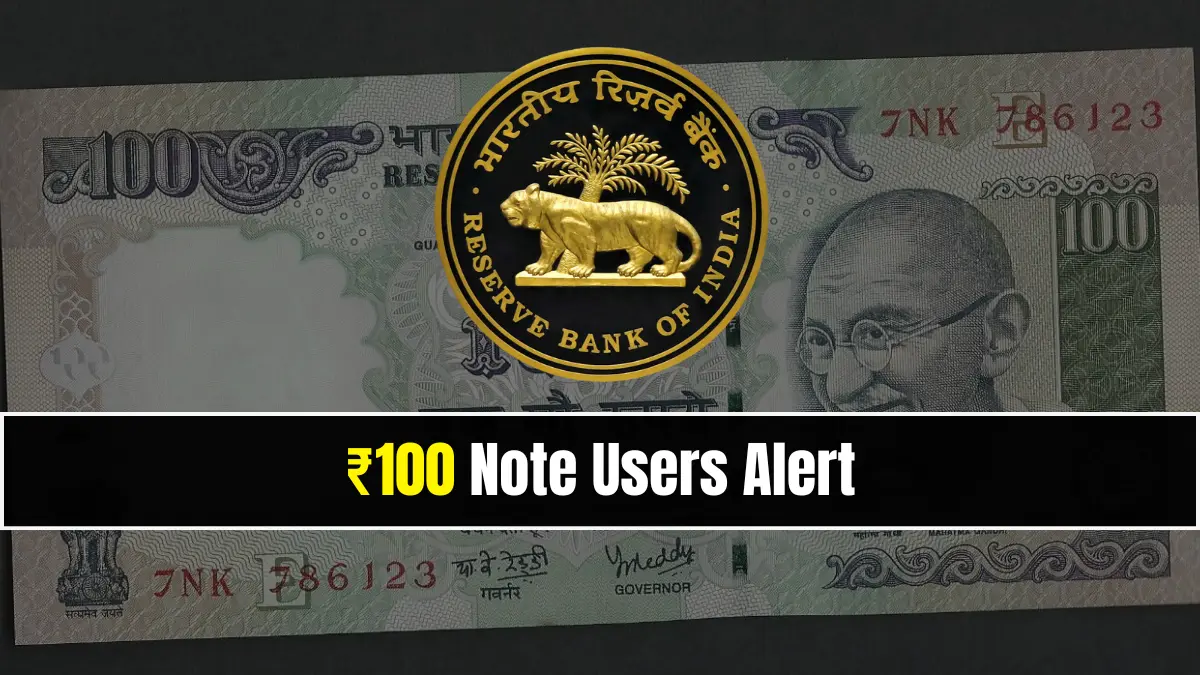
The Reserve Bank of India (RBI) has rolled out new guidelines concerning the circulation and condition of ₹100 currency notes. Though the ₹100 note remains legal tender, the RBI is urging citizens to handle currency more responsibly and avoid using damaged or tampered notes. These updates are particularly important for individuals who rely heavily on cash transactions in their day-to-day lives.
Which ₹100 Notes Are Still Valid?
Not all ₹100 notes are treated equally anymore. While all notes printed post-2005 remain safe to use, older and heavily damaged notes might face rejections in transactions. The RBI has empowered banks to accept and exchange worn-out notes, but has also asked the public to avoid damaging currency by writing, stapling, or using tape on them. Business establishments cannot deny valid ₹100 notes unless they are completely unrecognizable or deemed counterfeit.
Public Do’s and Don’ts for ₹100 Notes
To maintain your money’s usability, follow these updated tips from the RBI:
- Do not write or staple your notes – it shortens their life.
- Exchange soiled or mutilated notes at your bank branch without hesitation.
- Avoid hoarding old, worn notes; deposit them instead.
- Protect your cash by storing it in a flat, secure place like a wallet or folder.
These simple habits can prevent issues at shops, petrol pumps, or even during travel in remote areas.

RBI’s Note Exchange Framework
Banks across India are now required to set up counters specifically for exchanging old or damaged ₹100 notes. No need to carry ID proofs for small-value exchanges. Additionally, banks must not refuse valid currency and must report any suspicious or counterfeit notes to authorities. These efforts aim to assist rural populations and informal workers who mostly depend on cash.
Who Benefits from These Guidelines?
The new RBI advisory protects everyday citizens, especially farmers, senior citizens, street vendors, and small business owners, from transactional disputes and currency rejection. By encouraging cleaner and better-preserved notes, the RBI is also hoping to reduce the influx of unfit and fake currency, improving the overall cash flow system across the nation.
Summary of Guidelines for ₹100 Note Holders
| Note Condition | Is It Legal? | Can Be Exchanged? | Recommended Action |
|---|---|---|---|
| Clean and New | Yes | Not Required | Use Normally |
| Soiled or Slightly Torn | Yes | Yes | Exchange at Bank |
| Stapled or Written Notes | Yes | Yes (sometimes refused) | Avoid Damaging Currency |
| Notes Before 2005 | Yes | Yes (in some banks) | Deposit or Replace Soon |
| Counterfeit Notes | No | No | Report to Authorities |
FAQs
Yes, ₹100 notes are still legal and must be accepted.
Yes, RBI has asked all banks to accept and exchange soiled or mutilated ₹100 notes.

No, identification is not necessary for low-value note exchanges.
They are legal but may be refused in some cases. It’s best to exchange them at banks.
Deposit them in your bank or approach the bank’s exchange counter.